
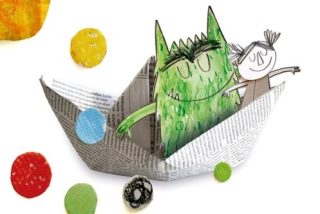
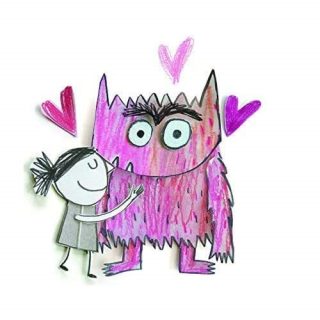
t The Beacon, we use The Colour Monster by Anna Llenas as a powerful way to help children make sense of their emotions. In the story, each feeling is represented by a different colour, turning invisible, complex emotions into something children can see, name and talk about.
This simple yet effective approach gives children a language for their feelings—even when words are hard to find.

We use the Colour Monster every day to help children recognise and express their feelings. Staff check in with pupils using colour language, and children can show how they feel using fans, desk prompts or pegs. This simple approach supports emotional literacy, builds trust and helps children learn to manage their emotions in a safe and consistent way.
Emotional Check-Ins at The Beacon:
Throughout the day, staff regularly ask children what “colour” they are feeling.
This quick emotional check-in captures a child’s current emotional state and promotes reflection and emotional literacy.

 Visual Tools in the Classroom:
Each child has:
- A small set of Colour Monster cut-outs at their desk to non-verbally show how they are feeling
- Access to a Colour Monster display featuring soft toys for each colour
- Their own peg with a photo, which they can move onto a colour throughout the day
These simple tools allow children to express emotions safely, even when they find words difficult.
Benefits of Using Colour Monsters:
The Colour Monsters offer a simple way for children to express their emotions, support early self-regulation and build emotional literacy.
Regular check-ins strengthen adult-child relationships and give children the tools to manage their feelings and ask for help when needed.
Supporting Emotional Regulation:
We teach children that all feelings are valid, but unkind hands, feet or words are not. To support emotional regulation, we offer calming strategies such as deep breathing activities, time-out cards for quiet reflection, and access to sensory tools like kinetic sand or exercise balls.
Each morning, pupils take part in activities that support their SEMH development, such as feelings jars, emotion fans and Colour Monster tasks, all designed to help them explore and express their emotions.

