Here at the Beacon we are able to offer a variety of different therapeutic interventions to support our pupils.
ELSA
At The Beacon, we use a short-term intervention called ELSA (Emotional Literacy Support Assistant) which can be run with a variety of pupils to support with:
- Loss and bereavement
- Emotional Literacy
- Self-esteem
- Social Skills
- Friendship issues
- Relationships
- Managing strong feelings
- Anxiety and worries
- Bullying
- Conflict
- Emotional Regulation
- Growth Mindset
- Social and therapeutic stories
- Problem solving
The intervention has a clear and focused aim that is usually half a term to a term in length. It can be run on a 1:1 basis or as a small group.
Currently in The Beacon SEMH Base we have 5 members of staff who are trained ELSA practitioners and the Head and Assistant Head of the Beacon Base are also ELSA trained practitioners.
Therapeutic Story Writing
Therapeutic Story writing is a therapeutic teaching model that uses the educational curriculum as a therapeutic context. Therapeutic Story Writing Groups are an intervention to help support the Emotional Social and Mental Wellbeing of children. In our groups we use 'Metaphors' as a way of expressing self. Evidence base shows "Therapeutic Story Writing Groups develop pupils' emotional wellbeing and improve academic literacy skills" alongside being taught in a safe and fun environment.

Brick Therapy
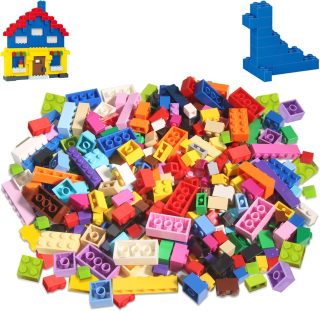
Drawing and Talking Therapy is a gentle, non-intrusive approach that helps children and young people explore and process emotional pain or trauma through drawing and storytelling. It is especially useful for those who find it difficult to express their feelings with words. During a series of sessions, the child creates a drawing and shares it with a trained practitioner, who supports them in talking about their thoughts and emotions in a safe, supportive environment. The focus is not on interpreting the drawings, but on giving the child a way to communicate their inner experiences. Suitable for ages 5 and above, this approach can be used on its own, alongside other therapies, or as a supportive intervention while waiting for more specialist services.